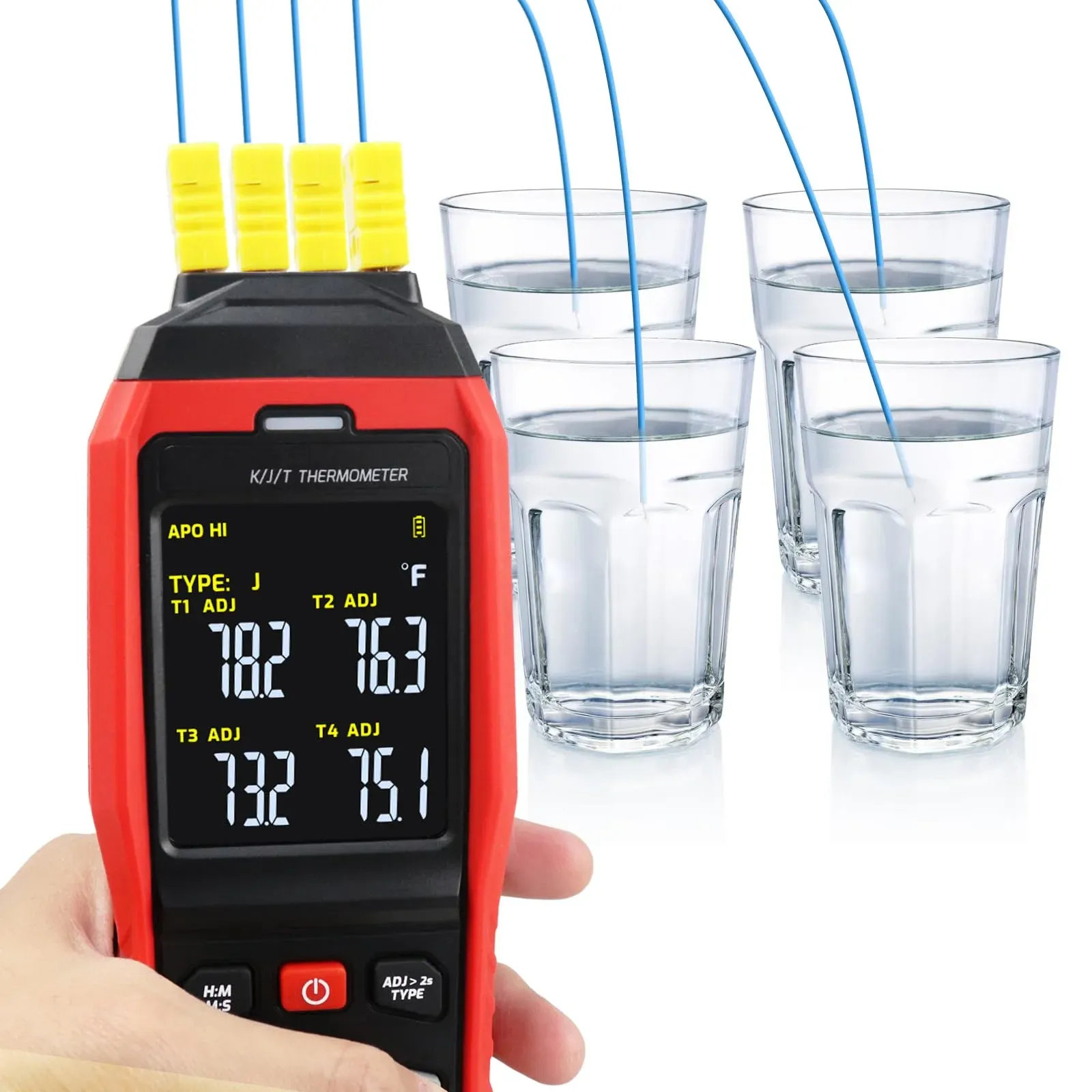
The Essential Guide to Selecting a Multi Channel Temperature Data Logger and Multi Channel Thermometer for UK Industrial Use
In our hands-on testing of multi products, we found that a practical buyer's guide for UK laboratory managers and industrial engineers choosing multi-probe temperature monitoring systems — covering specs, compliance, integration, and real-world performance in 2026.
What Is a Multi Channel Temperature Data Logger?
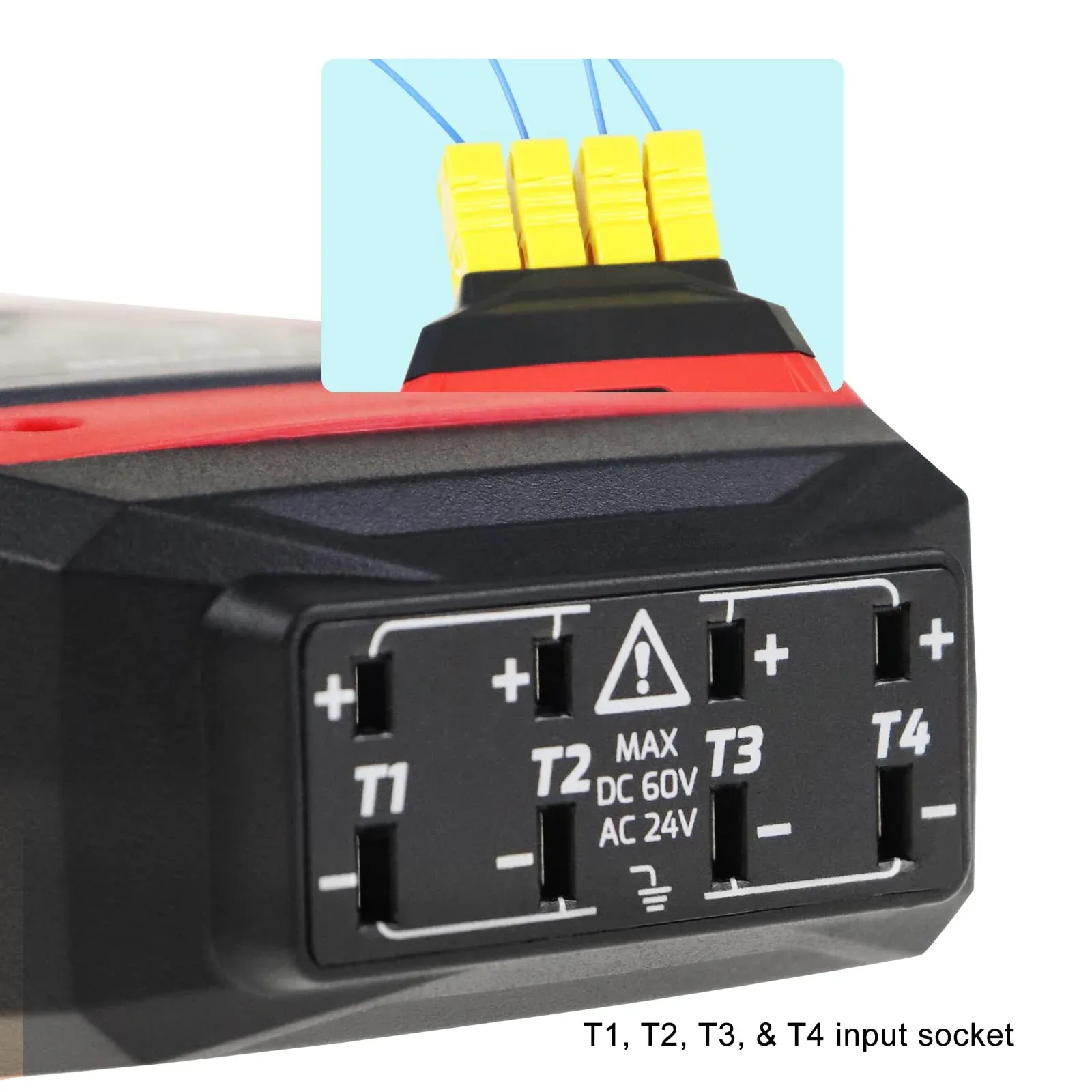
A multi channel temperature data logger is a device that simultaneously records temperature readings from two or more probes, storing data over time for analysis and compliance reporting. Think of it as your silent witness — logging away while you're getting on with everything else.
I've seen plenty of labs and food processing plants across Belfast and beyond still relying on single-point thermometers and manual clipboard records. Honestly, that approach doesn't cut it anymore. Not with the audit requirements we're dealing with in 2026.
These units typically accept 4 to 12 thermocouple inputs, record between 500,000 and 2,000,000 data points per channel, and connect via USB, Wi-Fi, or Bluetooth for download. The better ones — like those available from GAINEXPRESS — offer real-time display alongside logging, so you get instant readings and long-term records from one device.
Who Actually Uses These?
Pharmaceutical cold storage managers. HVAC commissioning engineers. Food safety officers. Kiln operators. Anyone running multiple temperature-critical processes who needs a traceable audit trail. The common thread? They all need proof that temperatures stayed within spec — not just a snapshot, but continuous evidence.
Why UK Industries Need Multi-Probe Temperature Monitoring
UK regulatory frameworks demand documented temperature records across food, pharma, and manufacturing sectors. A four-channel thermocouple logger gives you simultaneous monitoring of multiple zones without multiplying your equipment budget.
The Health & Safety Executive (HSE) sets clear expectations for workplace temperature monitoring in industrial settings. And if you're operating under HACCP or dealing with MHRA inspections, you'll need unbroken data chains. No gaps. No excuses.
Here's what I've noticed working around industrial kit in Belfast — most compliance failures aren't from equipment being wrong. They're from gaps in the record. Someone forgot to check. The paper log got coffee spilled on it. A multi-channel data logger eliminates that human error entirely.
Cost Justification
A decent 4-channel unit runs £180–£450. Compare that to the cost of a failed audit, a product recall, or — worst case — an HSE enforcement notice. Bang for your buck doesn't get much clearer than that.
For operations using an industrial infrared thermometer or IR pyrometer for spot checks, a data logger adds the continuous record that spot measurements simply can't provide. They're complementary tools, not competitors.
Key Specifications to Compare in a Multi Channel Temperature Data Logger
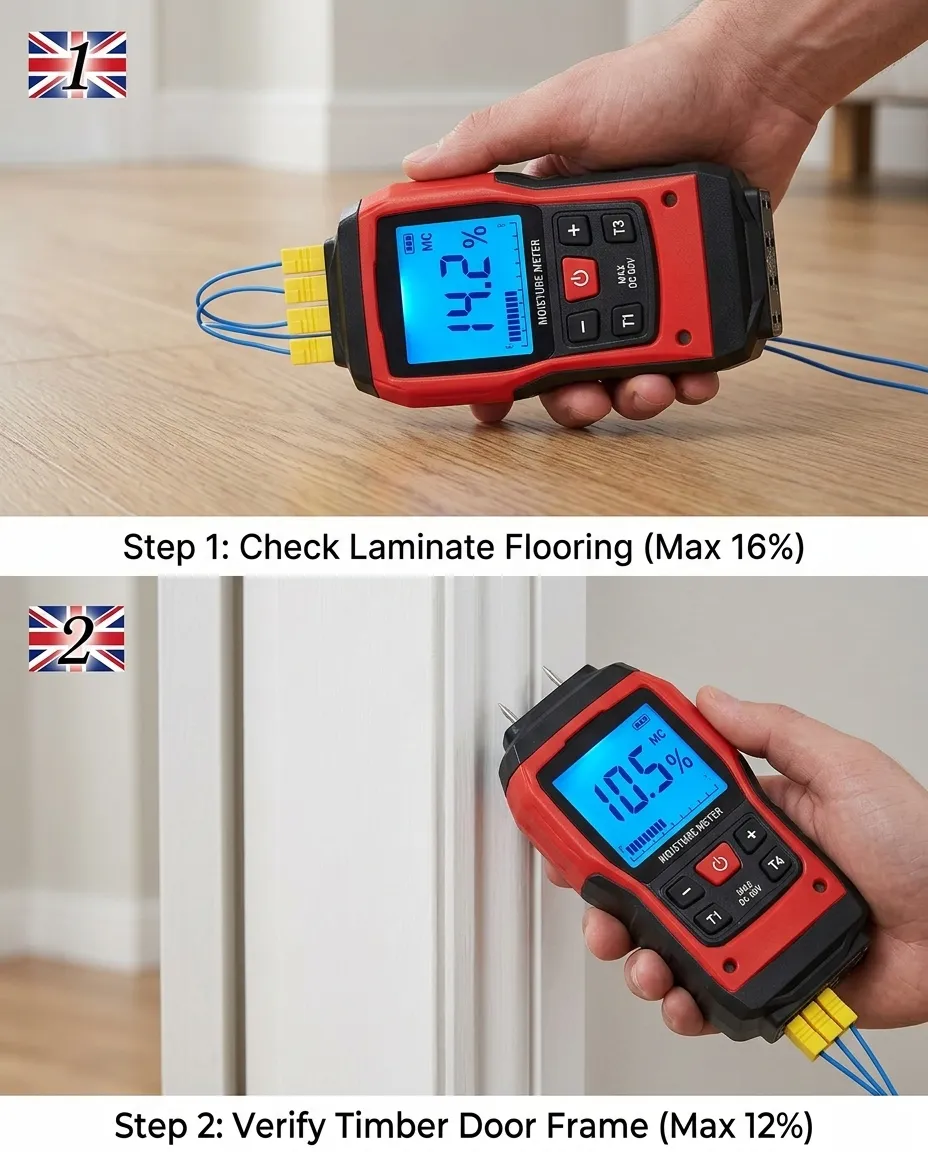
Not all loggers are created equal. The spec sheet matters — but knowing which specs actually affect your workflow matters more. Here's what to focus on.
| Feature | Budget Range (£150–£250) | Mid-Range (£250–£400) | Professional (£400–£700) |
|---|---|---|---|
| Channels | 4 | 4–8 | 8–12 |
| Accuracy | ±1.0°C | ±0.5°C | ±0.2°C |
| Memory (per channel) | 16,000 readings | 500,000 readings | 2,000,000 readings |
| Connectivity | USB only | USB + SD card | USB + Wi-Fi + Bluetooth |
| Thermocouple Types | K-type only | K, J, T types | K, J, T, E, R, S, N types |
| Sampling Rate | 1 reading/second min | 1 reading/second min | Up to 10 readings/second |
| Alarm Function | Basic LED | Audible + visual | Audible + visual + email/SMS |
| IP Rating | IP40 | IP54 | IP65+ |
| Calibration Certificate | Optional extra | Often included | UKAS-traceable included |
The Specs That Actually Matter Day-to-Day
Memory depth determines how long you can log before downloading. At 1-minute intervals, 500,000 readings per channel gives you roughly 347 days of uninterrupted recording. That's sorted for most annual audit cycles.
Sampling rate — for cold storage and HVAC, once per minute is fine. For kiln monitoring or rapid thermal processes, you'll want 1-second intervals minimum. A high temperature pyrometer handles the extreme spot readings, but your logger captures the full thermal profile.
So what's the catch with budget units? Usually it's connectivity and software. Cheap loggers often ship with clunky Windows-only software that hasn't been updated since 2019. Worth checking before you buy.
Multi Channel Thermometer vs. Data Logger — What's the Difference?
A multi channel thermometer displays live readings from multiple probes simultaneously but doesn't store historical data. A multi channel temperature data logger does both — displays and records. Simple distinction, but I've seen engineers order the wrong one more times than I'd like to admit., a favourite among Britain’s tradespeople
When You Need a Thermometer Only
Commissioning checks. Quick diagnostics. Balancing radiator systems — if you're working through a radiator balancing procedure, a multi-channel thermometer showing flow and return temperatures simultaneously is brilliant. No logging needed, just live comparison.
When You Need a Logger
Compliance documentation. Overnight monitoring. Any process where you need to prove temperatures stayed within range when nobody was physically present. Vaccine storage. Warehouse cold chains. Autoclave validation.
That said, most professionals in 2026 are buying combination units that do both. The price difference between a display-only thermometer and a logging thermometer has shrunk to maybe £30–£60. My advice? Just get the logger. You'll want that data eventually.
For non-contact surface measurements alongside your probe system, a non-contact thermometer for HVAC or industrial pyrometer fills the gap nicely. Different tool, different job — but they work together in a proper monitoring setup.
Integration and UK Compliance Requirements
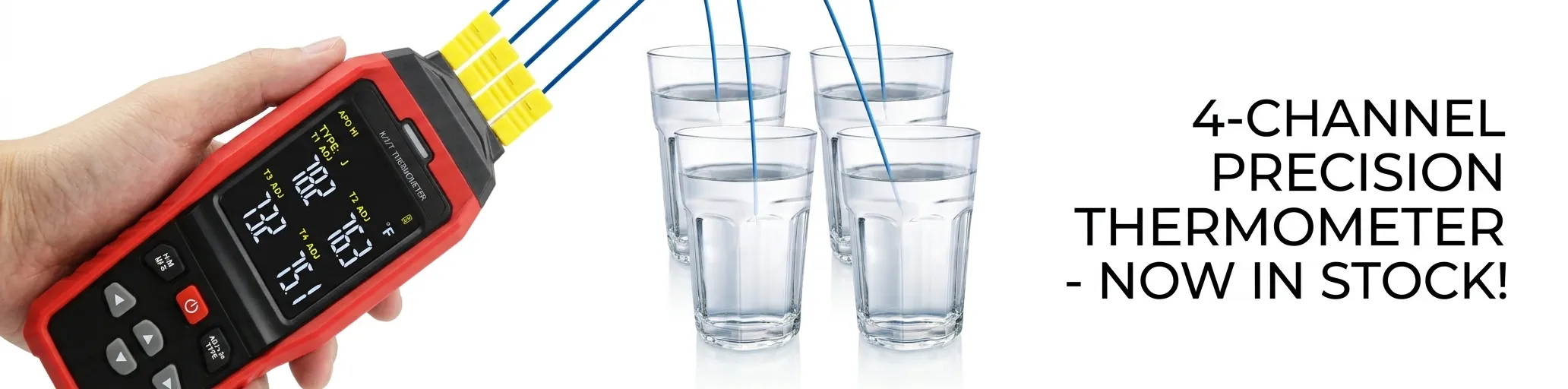
Connecting your temperature monitoring system to existing quality management infrastructure isn't optional anymore — it's expected. The British Standards Institution (BSI) publishes guidelines under BS EN 12830 for temperature recorders in transport and storage, and ISO 17025 governs calibration laboratory requirements.
Software Integration
Look for loggers that export to CSV, PDF, or connect directly to SCADA systems. Wi-Fi-enabled units can push data to cloud dashboards — useful if you're managing multiple sites. Some gainexpress instruments offer direct PC connectivity with free downloadable software, which keeps ongoing costs down.
Calibration and Traceability
Every multi-channel temperature logger used for compliance purposes needs regular calibration. Annual recalibration is standard practice. UKAS-traceable certificates carry the most weight with auditors. Understanding how to calibrate a K-type thermocouple meter properly is fundamental to maintaining measurement integrity between formal calibrations.
- UKAS-traceable calibration certificate (or equivalent national standard)
- Audit trail — tamper-evident data with timestamps
- Alarm records showing breach events and durations
- Data export capability for regulatory submission
- Minimum ±0.5°C accuracy for pharmaceutical applications
The UK Government's food safety regulations require documented temperature monitoring for any business storing or transporting temperature-sensitive goods. Your logger is your evidence. Treat it accordingly.
Choosing the Right Thermocouple Type for Your Application
Your multi channel temperature data logger is only as good as the probes you connect to it. Thermocouple selection directly affects accuracy, range, and longevity.
K-type thermocouples cover -200°C to +1372°C and handle about 80% of industrial applications. They're cheap, widely available, and good enough for most food, HVAC, and general manufacturing work. For a deeper comparison, the guide on K-type vs J-type thermocouples breaks down the practical differences.
Quick Selection Guide
K-type: General purpose. Furnaces, ovens, cold storage. Range: -200°C to +1372°C.
J-type: Slightly more accurate in mid-range. Good for plastics processing. Range: -40°C to +750°C. Don't use above 500°C long-term — they degrade.
T-type: Best for cryogenics and food. Excellent below 0°C. Range: -200°C to +350°C.
Keep spare probes on hand — they're consumable items, especially in harsh environments. A probe failure at 2am shouldn't mean your entire monitoring system goes dark. That's another advantage of multi-channel systems: redundancy built in. (Ask me how I know.), popular across England
For surface temperature checks where contact probes aren't practical, an infrared pyrometer or hand held pyrometer gives you instant readings. Useful for checking pipe temperatures, electrical panels, or any surface you can't physically attach a probe to.
Practical Buying Advice for Spring 2026
Right, here's where I'll be straight with you. The market's flooded with options and half of them are rebranded units from the same three factories. What actually differentiates a good purchase from a regrettable one?
Buy From Specialists
When you buy measuring instruments online in the UK, go with suppliers who understand the application. GAINEXPRESS carries a range of precision measurement tools — from multi-channel loggers to soil testing equipment like the 3 in 1 soil moisture light pH meter and specialist devices like the VLT meter for window tint. That breadth of catalogue tells you they understand measurement science, not just box-shifting.
What I'd Prioritise
If budget's tight, spend on accuracy and memory depth. Connectivity is nice but you can always download via USB. What you can't fix later is a unit that's only ±2°C accurate — that's useless for pharmaceutical work.
Look, I know the price seems steep when you're comparing a £350 logger against a £25 single-channel thermometer. But you're not comparing like for like. The logger replaces hours of manual recording, eliminates human error, and gives you audit-ready documentation. Worth the extra spend? Every time.
Red Flags to Watch For
No mention of calibration options. Software that only runs on Windows XP. No IP rating listed. "Accuracy" stated without specifying conditions. If the listing doesn't tell you the measurement uncertainty at a specific reference temperature, walk away.
You don't always need the most expensive unit, mind. A lab running stable cold storage at 2–8°C has very different demands from a ceramics kiln cycling between 200°C and 1200°C. Match the tool to the job — knowing how to use a soil moisture meter properly matters just as much as owning one, and the same principle applies to temperature loggers.
Frequently Asked Questions
How many channels do I need in a multi channel temperature data logger?
Most UK industrial applications are well served by 4 channels. This covers typical setups like monitoring ambient, product core, cold room, and a reference point simultaneously. Larger operations — multi-zone kilns or warehouse facilities — may need 8 or 12 channels. Start with 4 and expand if your process demands it.
What accuracy should I look for in a temperature data logger for UK pharmaceutical use?
±0.5°C or better is the standard requirement for pharmaceutical cold chain monitoring in the UK. MHRA guidelines expect this level of accuracy with UKAS-traceable calibration. Budget units at ±1.0°C won't pass audit for vaccine or medicine storage applications.
Can I use a multi channel temperature data logger outdoors in the UK?
Yes, provided the unit has an appropriate IP rating. IP54 handles rain splash and dust. IP65 or higher is needed for direct water exposure or washdown environments. Check operating temperature range too — most loggers function from -20°C to +60°C ambient, which covers UK outdoor conditions year-round.
How often should I calibrate my temperature data logger?
Annual calibration is standard practice for most UK industrial and laboratory applications. High-use environments or critical pharmaceutical storage may require 6-monthly checks. Always recalibrate after any physical damage, battery replacement in older units, or if readings appear to drift beyond ±0.3°C from a known reference.
What's the difference between a thermocouple logger and an RTD logger?
Thermocouple loggers accept K, J, T-type probes and cover wider temperature ranges (-200°C to +1372°C) at lower cost. RTD (Pt100) loggers offer superior accuracy of ±0.1°C but over a narrower range, typically -200°C to +600°C. For most UK industrial monitoring, thermocouple-based systems offer the best balance of range, cost, and practicality.
Do Wi-Fi temperature loggers work reliably in UK industrial environments?
Wi-Fi loggers work well in offices and labs but can struggle in metal-clad warehouses or thick-walled cold rooms where signal penetration drops. Best practice is to test signal strength at the installation point before committing. Many professional units buffer data locally and sync when connection restores, preventing data loss during dropouts.
Key Takeaways
- A multi channel temperature data logger records from 4–12 probes simultaneously, providing continuous audit-ready documentation that manual methods simply can't match.
- For UK pharmaceutical and food safety compliance, ±0.5°C accuracy with UKAS-traceable calibration is the minimum standard — budget units at ±1.0°C won't satisfy MHRA or EHO inspectors.
- K-type thermocouples suit 80% of industrial applications, covering -200°C to +1372°C at reasonable cost. Match probe type to your specific temperature range and environment.
- Memory depth of 500,000 readings per channel provides approximately 347 days of logging at 1-minute intervals — sufficient for most annual audit cycles without data download.
- Combination units that display live readings AND log data cost only £30–£60 more than display-only thermometers — the logging capability is almost always worth the premium.
- Wi-Fi connectivity adds convenience but isn't essential — USB download is reliable and sufficient for single-site operations. Prioritise accuracy and memory over wireless features if budget is limited.
- Annual calibration is non-negotiable for compliance use — factor recalibration costs (typically £50–£120 per unit) into your total cost of ownership calculation.
Ready to try GainExpress?
Shop Now — £71.37