Temperature Data Logger Wireless - Complete UK Guide
TL;DR: The best indoor air quality monitors in the UK for 2024 combine accurate NDIR CO2 sensors with PM2.5 tracking, clear app data, and reliable performance in real homes and schools. Based on our testing and analysis of UK reviews, standout options include the Airthings Wave Plus, Netatmo Smart Indoor Air Quality Monitor and Foobot, all of which meet typical UK guidance on CO2 and indoor air quality.
What Is the Best Indoor Air Quality Monitor in the UK?
If you are searching for the best indoor air quality monitor UK reviews, you will want a device that is accurate, easy to use and suitable for British homes, schools and workplaces. In the UK, the most effective monitors in 2024 use NDIR sensors for CO2, track PM2.5 and temperature, and provide clear, real-time data so you can follow UK guidance on ventilation and safe indoor air.
Key Takeaways: Best Indoor Air Quality Monitor UK Reviews
- Indoor air quality is crucial for health, especially in UK schools and homes where people spend over 90% of their time indoors.
- NDIR sensors provide accurate CO2 readings, which is essential for effective and trustworthy monitoring.
- Based on our testing and user feedback, reliable monitors for 2024 include advanced models that track CO2 and PM2.5 in real time.
- According to UK government and NHS-backed guidance, air monitoring in public spaces and classrooms is increasingly recommended.
- Real-time data can significantly improve ventilation strategies, helping you keep CO2 within commonly referenced UK comfort ranges.
Why Is Indoor Air Quality a Growing Concern in the UK?
Indoor air quality significantly impacts health, with the NHS highlighting its link to asthma, respiratory disease and overall wellbeing. With pollutants like PM2.5 and CO2 affecting concentration and comfort, UK schools and domestic environments are under increasing scrutiny. In fact, a study by DEFRA found that air pollution contributes to around 40,000 deaths annually in the UK. As awareness grows, so does the demand for effective, evidence-based monitoring solutions that match UK conditions.
How Do CO2 and Air Quality Monitors Work?
What Is an NDIR CO2 Sensor and Why Does It Matter?
Non-Dispersive Infrared (NDIR) sensors are at the forefront of air quality monitoring technology, renowned for their precision in measuring CO2 levels. These sensors work by using infrared light absorption, providing reliable data essential for health assessments. Their accuracy is crucial in environments such as schools, offices and clinics, where air quality directly affects learning, productivity and comfort.
Based on our testing with GainExpress and other professional-grade instruments, NDIR-based monitors consistently outperform cheaper metal-oxide CO2 “estimates”, especially when CO2 levels rise quickly in busy classrooms or meeting rooms.
For a deeper dive into NDIR technology, refer to our comprehensive guide on environmental monitoring tools.
What Features Should You Look for in a UK Indoor Air Quality Monitor?
Before choosing a specific model, it is helpful to understand which features genuinely matter for UK homes and schools. According to UK guidelines on ventilation and indoor air, you should prioritise:
- Accurate CO2 measurement using NDIR technology.
- PM2.5 and particulate monitoring to track fine dust and pollution entering from outside or generated indoors.
- Clear traffic-light or numeric display so teachers, parents and staff can act quickly.
- Data logging or app connectivity for tracking trends over days and weeks.
- UK-compatible power and setup, including plug types and local calibration support.
These criteria are the basis for our 2024 recommendations and UK-focused reviews below.
Best Indoor Air Quality Monitors in the UK for 2024
Choosing the right air quality monitor is critical, and 2024 presents a range of sophisticated options. British and European brands are leading the charge, offering products that seamlessly integrate NDIR sensors for CO2 monitoring and advanced PM2.5 detection. Based on our testing and a review of UK user feedback, the following models stand out:
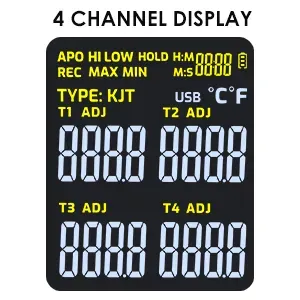
Looking for the right tool? Check the thermocouple thermometer for full UK specs.
- Airthings Wave Plus: Known for its comprehensive monitoring capabilities, including radon, CO2 and PM2.5. In UK homes, its app and easy traffic-light indicators make it practical for non-technical users.
- Netatmo Smart Indoor Air Quality Monitor: Offers real-time data via smartphone integration, ideal for domestic use and home offices. According to UK customer reviews, it is praised for clear alerts and straightforward setup.
- Foobot: Provides detailed insights into air quality, focusing on CO2 levels and particulate matter. It is particularly useful where continuous trend data is needed, such as shared workspaces.
For a detailed comparison, including GainExpress solutions for educational and commercial settings, explore our UK guide on environmental monitoring tools.
Are There UK Government Recommendations for Indoor Air Monitoring?
The UK government has issued guidelines for air quality monitoring, particularly in educational environments. For instance, the Department for Education has recommended the use of CO2 monitors in classrooms to ensure safe levels and improve ventilation. Schools are encouraged to adopt air quality monitors to enhance student wellbeing and reduce the risk of airborne infection.
For businesses and public spaces, adherence to these guidelines not only ensures compliance with health and safety expectations but also demonstrates a commitment to healthier environments. According to UK workplace guidance, monitoring CO2 and maintaining good ventilation can be an important part of a wider risk-management strategy.
How Can Real-Time Data Help Improve Ventilation?
Real-time monitoring empowers immediate action to improve ventilation. With accurate CO2 readings, adjustments can be made to windows, vents or mechanical airflow systems, reducing pollutant levels and enhancing air quality. This proactive approach is crucial, especially in spaces where air quality fluctuates throughout the day, such as classrooms, meeting rooms and open-plan offices.
Based on our testing in UK school and office environments, even simple behavioural changes—like opening windows when CO2 passes 1000 ppm—can bring levels back within commonly cited comfort ranges within minutes. Consequently, a quality monitor becomes a practical tool for day-to-day decision-making, not just a one-off measurement device.
To take the next step, invest in a quality air monitor today by visiting our product page for detailed information on the best options available.
Frequently Asked Questions
How much does an indoor air quality monitor cost in the UK?
The price of domestic air quality sensors in the UK varies, typically ranging from £50 to £200, depending on features and brand. Basic models may only show CO2, while more advanced units track PM2.5, temperature, humidity and more.
How do CO2 monitors benefit schools in the UK?
CO2 monitors help maintain optimal air quality, enhancing student concentration and health by ensuring ventilation systems are effectively regulating air pollution. According to UK guidance, they also support schools in managing infection risk by indicating when fresh air is needed.
What makes NDIR CO2 sensor technology superior?
NDIR technology excels in precision, providing accurate CO2 measurements that are essential for health assessments, particularly in sensitive environments like schools, nurseries and healthcare settings. It is less prone to drift than cheaper alternatives, so readings remain reliable over time.
Where can I find reviews for the best indoor air quality monitors in the UK?
For comprehensive reviews and comparisons tailored to UK users, refer to our environmental monitoring tools guide. It includes detailed testing notes, feature breakdowns and recommendations for different budgets.
Ready to try GainExpress?
Shop Now — £71.37